1-855-QUOTEMR

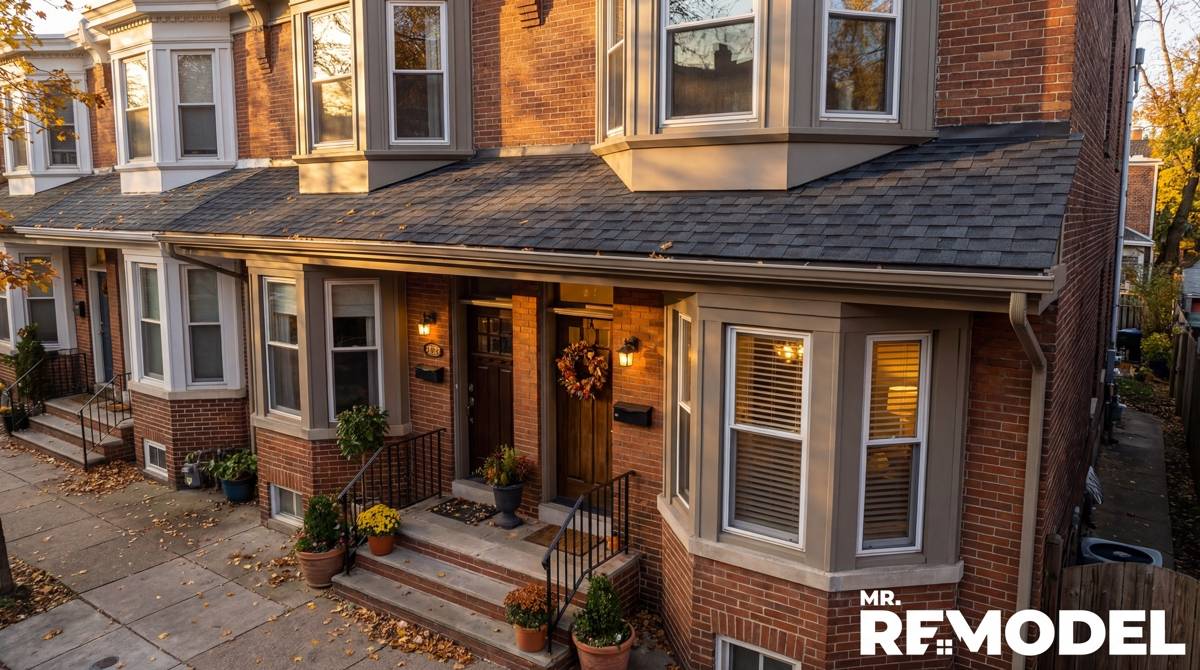
Table of Contents [hide]
Who This Is For: This guide is designed for Philadelphia homeowners who need to replace their roof quickly. It specifically helps those managing the unique technical challenges of rowhomes or historic properties.
Key Takeaways
- The 11-Day Window: Philadelphia homeowners decide on a roofing contractor 40% faster than the national average.
- Rowhome Specialization: Understanding shared walls and flat roof drainage is essential for city residents.
- Permit Compliance: Navigating the Licenses and Inspections (L&I) process is mandatory for most structural work.
- Cost Efficiency: Local roofing costs are approximately 9% lower than the national average.
Philadelphia homeowners move at a speed that surprises the rest of the country. According to recent data from Mr. Remodel, the average local homeowner reaches a hiring decision in just 11.35 days.
This readiness to act is 40% faster than the national average. It reflects the urgency of maintaining the city's unique, often aging, architectural landscape. Whether you own a historic rowhome or a modern suburban property, timing is everything.
The Velocity of the Philadelphia Roofing Market
The 11-day decision window creates a highly competitive environment. When a leak appears in a classic Philly rowhouse, there is no time for hesitation. Water damage can spread across shared walls and affect neighbors in hours.
Several factors contribute to this high-speed market environment:
- Dense Urban Layout: Proximity to neighbors means a leak on your roof often becomes a problem for the person next door.
- Aging Infrastructure: Many Philadelphia roofs are nearing the end of their lifecycle simultaneously.
- Contractor Demand: The best crews are often booked weeks in advance, forcing homeowners to act quickly to secure a spot.

Our internal datasets show that Philadelphia leads are among the most prepared in the nation. This high level of readiness means that top-rated contractors often book their schedules weeks in advance. If you wait too long to choose, you might miss the best local crews.
This speed of sale is a defining characteristic of the market. Homeowners prioritize contractors who provide clear, data-driven estimates immediately. Speed does not mean sacrificing quality, but it does require a focused approach to the hiring process.
Navigating the Rowhome Technicality
Philadelphia is famous for its dense blocks of rowhomes. These structures present technical challenges that most suburban roofing guides ignore. Shared party walls and integrated drainage systems require specialized knowledge to manage correctly.
When hiring a contractor for a rowhome, ensure they address these specific items:
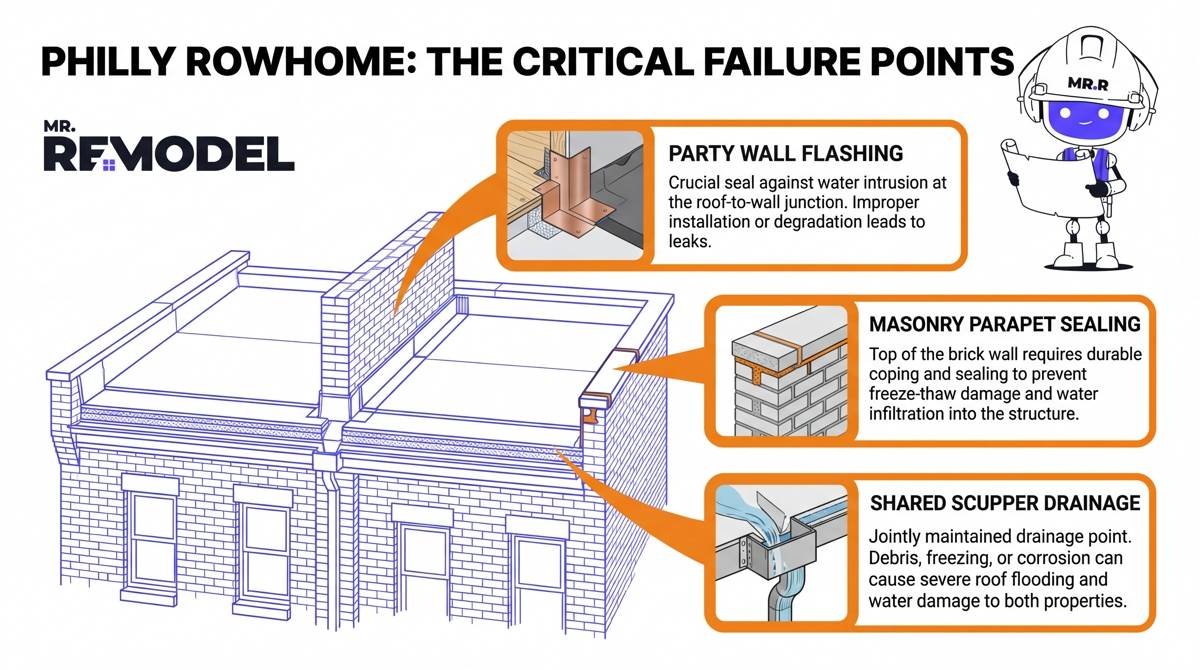
- Party Wall Integrity: The transition between your roof and your neighbor's must be watertight.
- Masonry Parapets: These low walls often require custom flashing to prevent moisture from entering the brickwork.
- Structural Weight Limits: Older rowhomes may have limits on how many layers of roofing they can support.
If your contractor does not understand the structural relationship between your roof and your neighbor's, you risk legal disputes. A simple shingle replacement can quickly become a complex engineering problem if drainage is diverted onto an adjacent property.
Flat Roof Solutions for Philly Rowhouses
Most rowhomes in the city utilize flat or low-slope roofing systems. These roofs require different materials and installation techniques than traditional pitched roofs. Water must be directed efficiently toward a primary scupper or internal drain.
Common materials used for Philadelphia flat roofs include:
- Modified Bitumen: A durable, multi-layer asphalt-based system.
- TPO (Thermoplastic Polyolefin): A reflective white membrane that helps lower cooling costs.
- EPDM (Rubber): A highly flexible material ideal for handling extreme temperature swings.
- Siliconized Coatings: Used for extending the life of an existing flat roof system.
Modified bitumen and modern rubber membranes are the standard for these homes. These materials offer the flexibility needed to handle Philadelphia's freeze-thaw cycles. They also provide a seamless barrier against the driving rains common in the Mid-Atlantic.
Dealing with Shared Drainage and Walls
Rowhome roofs often share more than just a property line. They often share a gutter system or a masonry parapet wall. When replacing your roof, the flashing along these shared walls is the most critical point of failure.
Effective shared wall management involves:
- Counter-Flashing: Cutting into the mortar joints of the brick to insert metal protection.
- Reglet Installations: Creating a recessed groove for the flashing to sit in for maximum security.
- Gutter Alignment: Ensuring your new drainage does not overwhelm the shared downspout system.
Professional installers must ensure that new flashing is tucked properly into the existing masonry. This prevents water from seeping between the two buildings. High-quality sealants are also necessary to maintain the integrity of the shared drainage path.
Historical Standards and the Slate Niche
Approximately 14% of Philadelphia homeowners specifically request slate or historic materials. This is significantly higher than the suburban average. The city's rich history means many homes are subject to strict preservation rules.
Homeowners in historic districts must follow specific steps:
- Verify District Status: Check if your home falls under the jurisdiction of the Philadelphia Historical Commission.
- Submit Design Reviews: You may need to provide samples of the materials you intend to use.
- Hire Specialized Labor: Slate requires specific tools and knowledge that standard shingle crews may lack.
If your home is in a designated district, you must follow the Philadelphia Historical Commission Rules & Regulations. These rules ensure that replacements match the original character of the neighborhood. Using improper materials can lead to significant fines.
Slate is a high-value niche in the local market. While expensive, a well-maintained slate roof can last over a century. It is a long-term investment that adds substantial resale value to a historic Philadelphia property. You can find more on technical standards at the GSA Technical Preservation Guidelines.
Philadelphia Permits and Regulatory Requirements
The Department of Licenses and Inspections (L&I) oversees all roofing work in the city. Most people do not realize that a permit is required for anything beyond minor maintenance. You can find specific details on the City of Philadelphia - Get a Building Permit page.
A permit is typically required when:
- Structural Changes: You are replacing the roof deck or modifying the rafters.
- Complete Replacement: You are stripping the roof down to the wood and starting over.
- Material Changes: You are switching from one material type to a significantly different one.
- Historic Districts: Any exterior work in a protected zone requires official approval.
Failing to secure a permit can stop your project mid-stream. It can also make it difficult to sell your home in the future. A reputable roofing company will handle the permit application process for you as part of its service.
|
Pro Tip: If you are planning a major renovation, use Mr. Remodel to find contractors who specialize in Philadelphia's specific permitting requirements. They can help you navigate L&I and Historical Commission hurdles simultaneously. |
Philadelphia Roofing Cost Guide
Despite the technical complexities, Philadelphia remains a cost-competitive market. According to Mr. Remodel's data, local roofing rates are approximately 9% lower than national averages. This provides a great opportunity for homeowners to upgrade their materials.
|
Material Type |
Avg. Cost (Philly) |
Estimated Lifespan |
|
Asphalt Shingles |
$7,448 to $8,067 |
20 to 30 Years |
|
Flat Roof (Bitumen) |
$6,200 to $9,500 |
15 to 20 Years |
|
Metal Roofing |
$12,000 to $18,000 |
40 to 70 Years |
|
Slate (Natural) |
$22,000 to $45,000 |
75 to 100+ Years |
Asphalt Shingles: The Practical Leader
Asphalt shingles remain the dominant choice for 68% of Philadelphia residents. They offer the best balance between cost and performance. Modern architectural shingles can withstand the high winds and heavy snow loads of Pennsylvania winters.
Benefits of modern shingles include:
- Algae Resistance: Specialized granules prevent the unsightly black streaks common in humid climates.
- Wind Ratings: Many shingles are now rated for winds exceeding 130 miles per hour.
- Variety: They are available in colors that mimic the look of slate or wood shakes.
This year, manufacturers have improved the impact resistance of these shingles. This makes them more resilient against hail and falling debris. They are an excellent choice for the majority of residential rooftops in the greater Philadelphia area.
Slate and Metal: High-Value Alternatives
Slate and metal roofs represent nearly 23% of the local market. This is largely due to the urban architecture of the city. Metal is becoming increasingly popular for rowhome owners who want a permanent solution for their flat roofs.
Standing seam metal roofs provide superior water shedding. They are also highly reflective, which helps reduce cooling costs during humid Philadelphia summers. While the upfront cost is higher, the reduced maintenance needs often justify the investment over time.
Why Energy Efficiency Matters
Energy costs in the Northeast continue to rise, making roof efficiency a top priority. The Philadelphia Water Department offers Green Roof Incentives for those looking to install sustainable systems.
Key energy-efficient upgrades include:
- Cool Roof Granules: Reflective surfaces that keep the home cooler in summer.
- Enhanced Ventilation: Ridge vents and soffit vents that reduce heat buildup in attics.
- Rigid Insulation: Adding high-R-value foam boards during a flat roof replacement.
The PHDC also provides a Philadelphia Weatherization Program for eligible residents. This program helps low-income homeowners improve their home energy efficiency. It is a vital resource for maintaining the city's housing stock in an era of climate change.
Frequently Asked Questions
Do I need a permit to replace my roof in Philadelphia?
Yes, most roof replacements require a permit from the Department of Licenses and Inspections. Only minor repairs or maintenance of existing materials may be exempt. Always check with your contractor or the L&I website before starting work.
How much does a new roof cost in Philadelphia?
This year, the average cost for an asphalt shingle roof in Philadelphia is between $7,448 and $8,067. This is approximately 9% lower than the national average. Costs vary based on the specific material and the complexity of the roof.
Can I change my slate roof to shingles?
If your home is in a historic district, you likely cannot change materials. The Historical Commission usually requires that slate be replaced with slate. Platforms like Mr. Remodel help by matching you with contractors who understand these specific preservation rules.
How long does it take to get a roofing quote?
In the Philadelphia market, most homeowners receive and act on a quote within 11 days. The market moves very fast. Top-rated companies generally provide on-site inspections and digital estimates within 24 to 48 hours.
What is the best roof for a Philadelphia rowhome?
Flat roofs on rowhomes typically perform best with modified bitumen or rubber membranes. These materials handle the unique drainage challenges of shared-wall structures. For pitched rowhomes, slate or high-quality asphalt shingles are the most common choices.
Secure Your Philadelphia Roof Estimate Today
Replacing a roof in Philadelphia requires balancing speed with local expertise. Whether you are navigating the 11-day decision cycle or managing a historic slate restoration, the right partner makes the difference. Do not let a small leak turn into a structural disaster.
Mr. Remodel simplifies the process by. We match you with contractors who understand city codes and rowhome structures. Get competitive pricing without any upfront obligation.