1-855-QUOTEMR

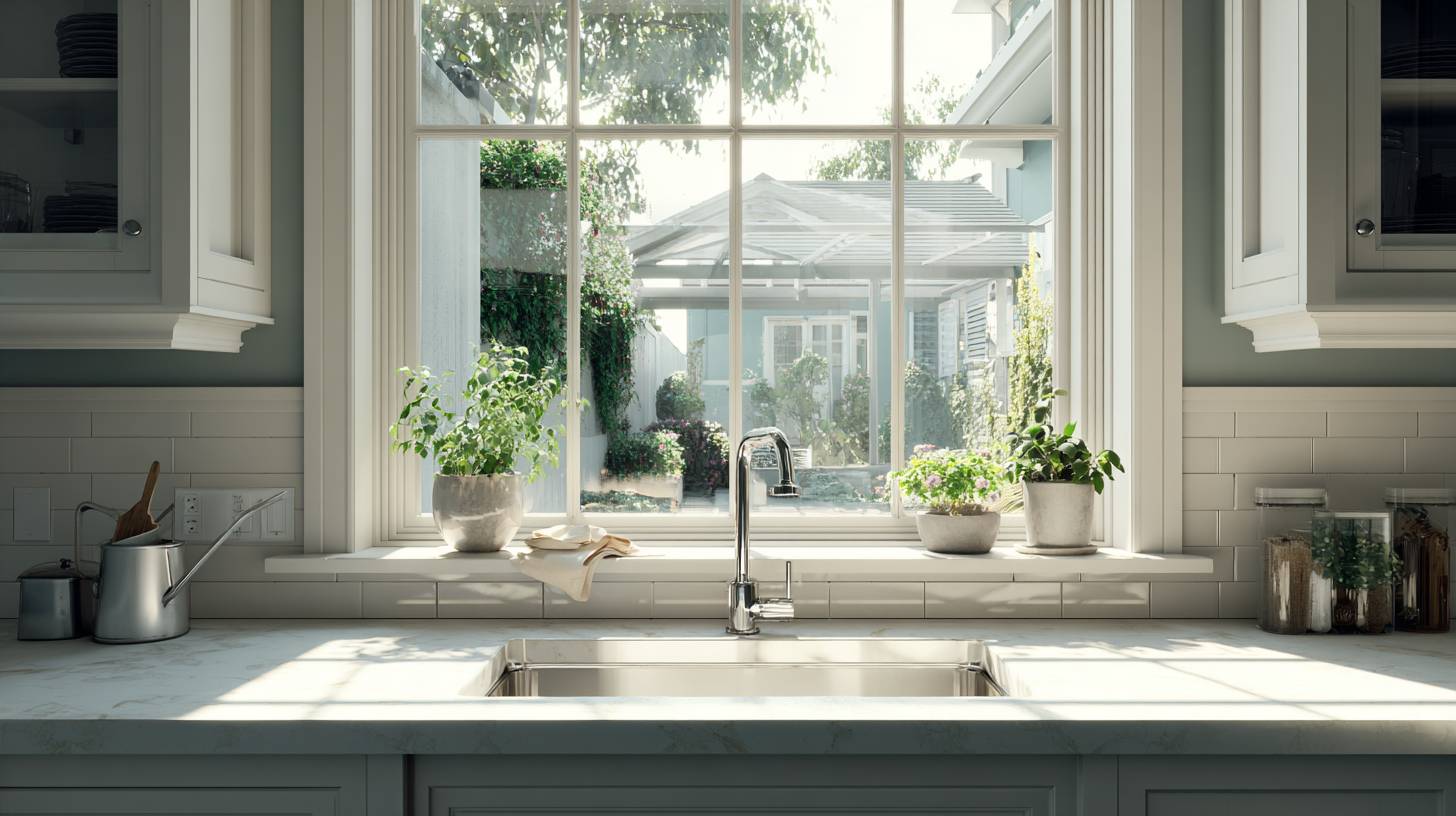
Table of Contents [hide]
A garden window adds natural light, shelf space, and a small greenhouse feel to kitchens. If you clicked for garden window installation cost, you want real numbers and clear cues on how to choose window style, frame material, and glass type for your climate and budget.
This guide breaks down typical installed prices, why costs change by region and scope, and how to protect against leaks. You’ll also see how history and housing age affect today’s window replacement decisions.
What Is a Garden Window, and How Does It Differ from Bay and Bow Windows
A garden window is a projecting, shelf-like unit with glass panes on the sides and top, often placed over a sink. It brightens task areas and creates useful display space. Some homeowners call it a greenhouse window or a specialty window.
Bay and bow windows project farther and can create seating depth, which raises material and labor costs. A garden window is typically smaller and lighter. Compared with a picture window, a garden unit can add ventilation.
Against a casement window, awning windows, or sliding windows, it changes view angles and usable shelf space. Typical window size is wider than many double-hung windows, but shallower than most bay and bow designs.
The Value Proposition: Daylight, Views, and Everyday Use
The key win is natural light. Angled glass increases sky exposure, brightening kitchens and breakfast nooks. You also gain a mini pass-through feel and a practical surface for herbs.
Historically, projecting windows grew with post-war ranch homes and later suburban layouts that favored brighter, open kitchens.
In older Northeastern homes with wood trim, matching profiles and finishes help upgrades look original; in Sunbelt tract homes, solar control and UV stability matter more. Good contractors read these cues and design accordingly.
Comfort & Indoor Air Quality Benefits
Side vents, often operating side casement windows or small awnings, move air where you cook. Laminated or argon-filled glass can help with outside noise. A PVC frame or fiberglass high-performance frame keeps upkeep low compared with painted wood.
Energy Performance 101: Why Specs Matter
Check the NFRC label for U-factor (insulation), SHGC (solar gain), and visible transmittance. Choose energy-efficient packages that align with climate guidance.
Know your glazing: double-pane glass is standard; triple-pane glass improves insulation in colder zones. Use Low-emissivity (low-E) glass, also called low-E glass, or other energy-efficient glass to reduce heat loss or unwanted heat gain. Because projection geometry sees more weather, disciplined specs and careful detailing matter.
Glass System Options & Tradeoffs
Pick a glass type: clear, low-E, laminated for security/noise, or tempered (often required on the roof panel). A modern glass system uses insulated glass with argon-filled cavities and warm-edge spacers. These choices raise comfort, cut condensation, and reduce HVAC load.
Are Triple-Pane Garden Windows Overkill?
Triple pane pays in cold and windy regions or on north/west exposures. In many mixed climates, a tuned double-pane low-E package balances comfort, weight, and window cost.
What You’ll Pay: Garden Window Installation Cost
Garden window installation cost typically runs about $2,900 to $5,500 per unit installed, with wider low-to-high outliers of ~$1,800 to $7,500+. Projection units cost more than flat replacement windows due to extra glass, support brackets, and leak-proof flashing.
Main drivers: window size, glazing package, frame material (vinyl, fiberglass, or clad-wood), tempered or laminated panels, and interior/exterior finish level. A basic mid-size vinyl unit with low-E double-pane glass often lands around $3,200 to $4,200 installed; fiberglass with upgraded glass can reach $4,000 to $5,500+.
Retrofit vs. Full-Frame Replacement
Retrofit (same opening) is faster and usually less expensive: ~$2,900 to $4,800 installed for many mid-size vinyl units with standard finishes when access is easy.
Full replacement (resizing or reframing) adds structure and surface repairs. Expect +$600 to $1,800 for header/sill reinforcement, exterior siding or interior drywall/trim work, and extra site hours with qualified residential window installers.
Typical Add-Ons & Upgrades
Common window add-ons: tempered roof glass (+$150 to $350), laminated safety or sound-control glass (+$200 to $450), integrated shades or window tinting (+$150 to $400), upgraded interior plant shelf and window sill details (+$100 to $300). Ask your window installation contractor about pan flashing and sequencing to match best practices.
Regional Cost Modifiers You Should Expect
Here’s how garden window installation costs move across the nationwide U.S.A.:
- Region: Northeast and West often price +10% to 20% above national averages; Midwest and South can run −5% to 10%.
- Setting: Coastal zones may need corrosion-resistant hardware or impact options (+10% to 25%). Urban installs face access and parking constraints (+5% to 15%). Rural jobs may add travel time (±0% to 10%).
- Code & age: Pre-1978 homes may require lead-safe work, adding time and PPE costs.
History matters: older Northeastern housing with original wood frames often needs careful trim matching; post-war aluminum in many Sunbelt homes pushes you toward low-E and lower SHGC to manage heat. Contractors who know these eras can estimate the window installation pricing more accurately.
Brand/Model Examples and How to Compare
Skip the label chase. Use the NFRC directory to match U-factor and SHGC to your climate for any window brand. Focus on verified ratings, build quality, and install method from a vetted window company, window contractor, or window specialist. That’s how you get consistent performance and warranty support.
Installation Quality = Leak Protection (and Fewer Callbacks)
Projection units magnify water and air risks. Proper pan flashing, weather-resistive barrier integration, sealant sequencing, shims, and brackets reduce problems. Ask for a simple checklist and job photos. Skilled window installation crews prevent leaks that can ruin finishes and drive future repairs.
Resale & ROI: Where Garden Windows Shine
Bright kitchens photograph well and show well. A well-sealed garden window can lift perceived value without the cost of whole-home window replacement. Keep the finish crisp, align specs with climate, and document the install for buyers.
Quick Compare: Garden vs. Bay/Bow vs. Picture Windows
- Garden window: compact projection, useful shelf, moderate installation cost.
- Bay/bow windows: deeper projection and seating, higher scope and price.
- Picture window: big view, no ventilation; flank with crank-out windows for airflow. Consider custom window shapes only when openings demand it.
How to Shop Smart
- Specs First: Demand NFRC labels, climate-tuned low-E packages, and clear per-unit quotes.
- Scope Clarity: Confirm retrofit vs. full frame, repair allowances, and timeline.
- Team: Hire a licensed, insured pro with strong references. Align window styles, frame material, and glass system to your space.
FAQ
How long does a garden window installation take?
A same-size retrofit often fits in one day. Full-frame changes or exterior repairs add time.
Will a garden window help with energy efficiency?
Yes. Choose low-E or other energy-efficient glass, and make sure insulation and flashing are done right. Orientation and climate matter.
Do I need permits?
If you resize openings or alter structure, you often do. Some associations also need approvals for visible projections.